Blog
From decision to deployment
Practical writing on AI, data, and automation, from the people who build it.
The Report Looks Fine. Why Does the Company Find the Problem Only After the Fact?
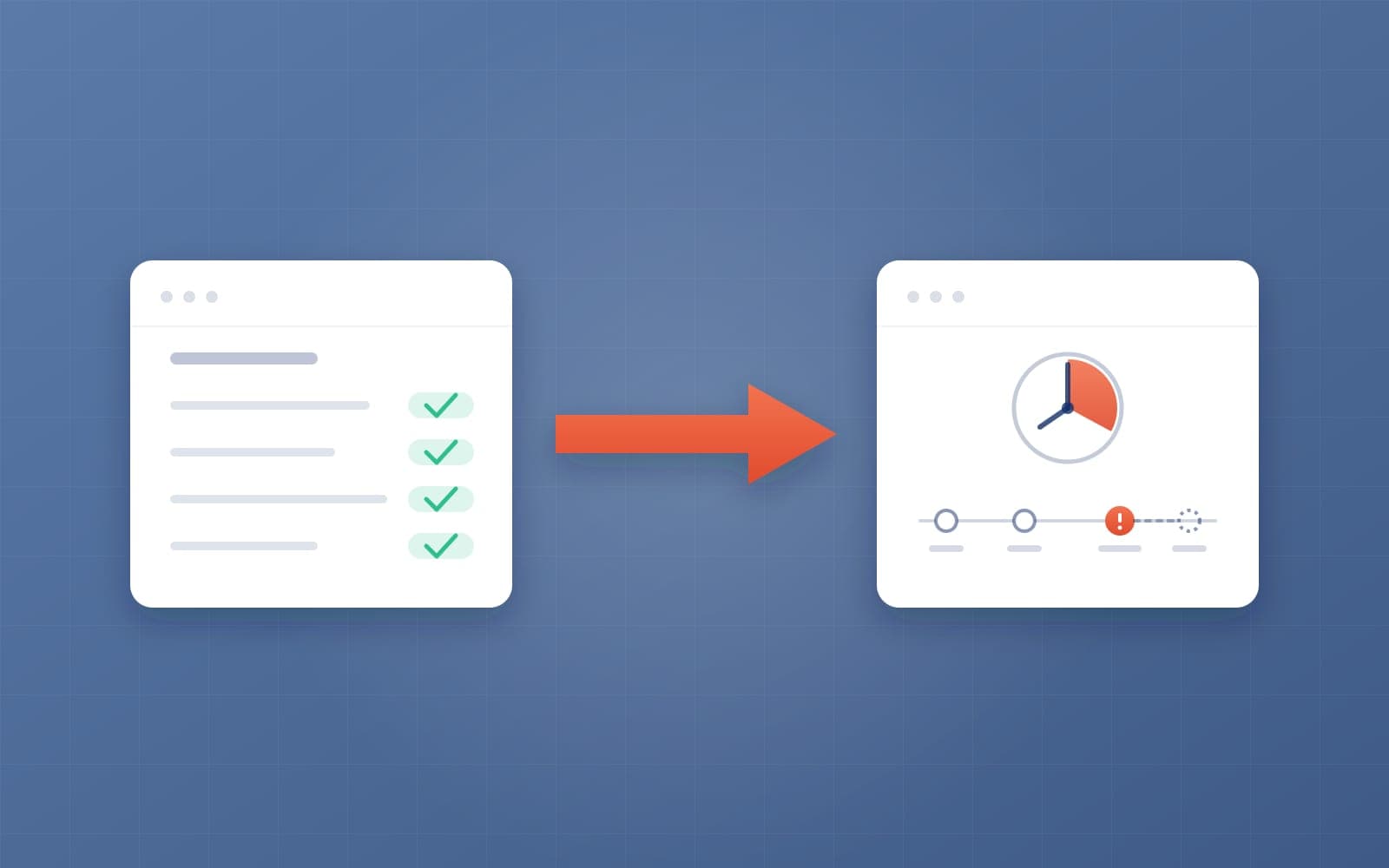
Auditors found 133,863 delayed mailpieces. The system showed 37,392. How to check whether the information a decision needed was available in time, before you order another report.
The Team Works Fast. Why Is the Customer Still Waiting?
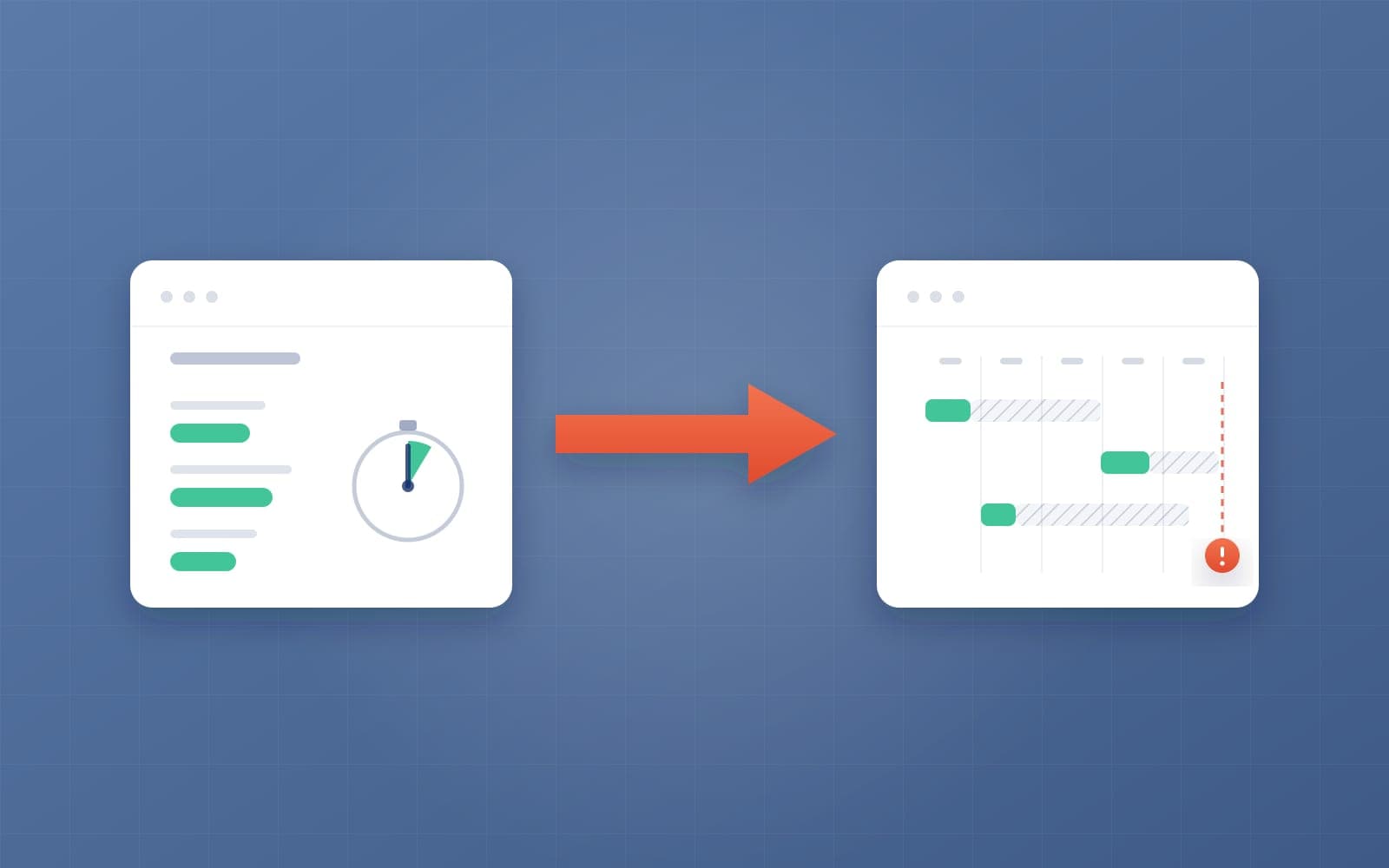
Every department does its job quickly, and the customer still waits for days. The gaps between activities are usually to blame. How to find the one gap that, once closed, actually speeds up delivery.

Every Department Did Its Job. Why Isn't the Case Moving?
The sale is closed, the CRM data is complete, and the implementation team doesn't have the case on its list. What triggers the next step, who picks it up and how you can tell. A step handover card in six points.

Don't Automate Your Most Important Process First. Pick One the Company Can Learn On
Your most important process is rarely the best first automation project. How to pick one with the right balance of impact, cost and risk.

Does Automation Pay Off? How to Build the Business Case Before You Invest in AI
Recovered hours aren't money yet. How to compare two futures of the same process, calculate the real benefit, and check whether the project clears your decision threshold.

Do You Really Need an LLM? Picking the Right Technology for Process Automation
An LLM isn't simpler or harder than rules by definition. Using receipt analysis as an example, we show how to break a process into problems and match the technology to each one.

From Excel to AI. Six Ways Companies Work With Data
Missing history, unused data, hand-merged exports, a warehouse, BI, forecasts and AI. Six ways of working with data, and a simple test for which change would actually improve decisions.
You Have Data and Reports. Why Don't They Lead to Better Decisions?
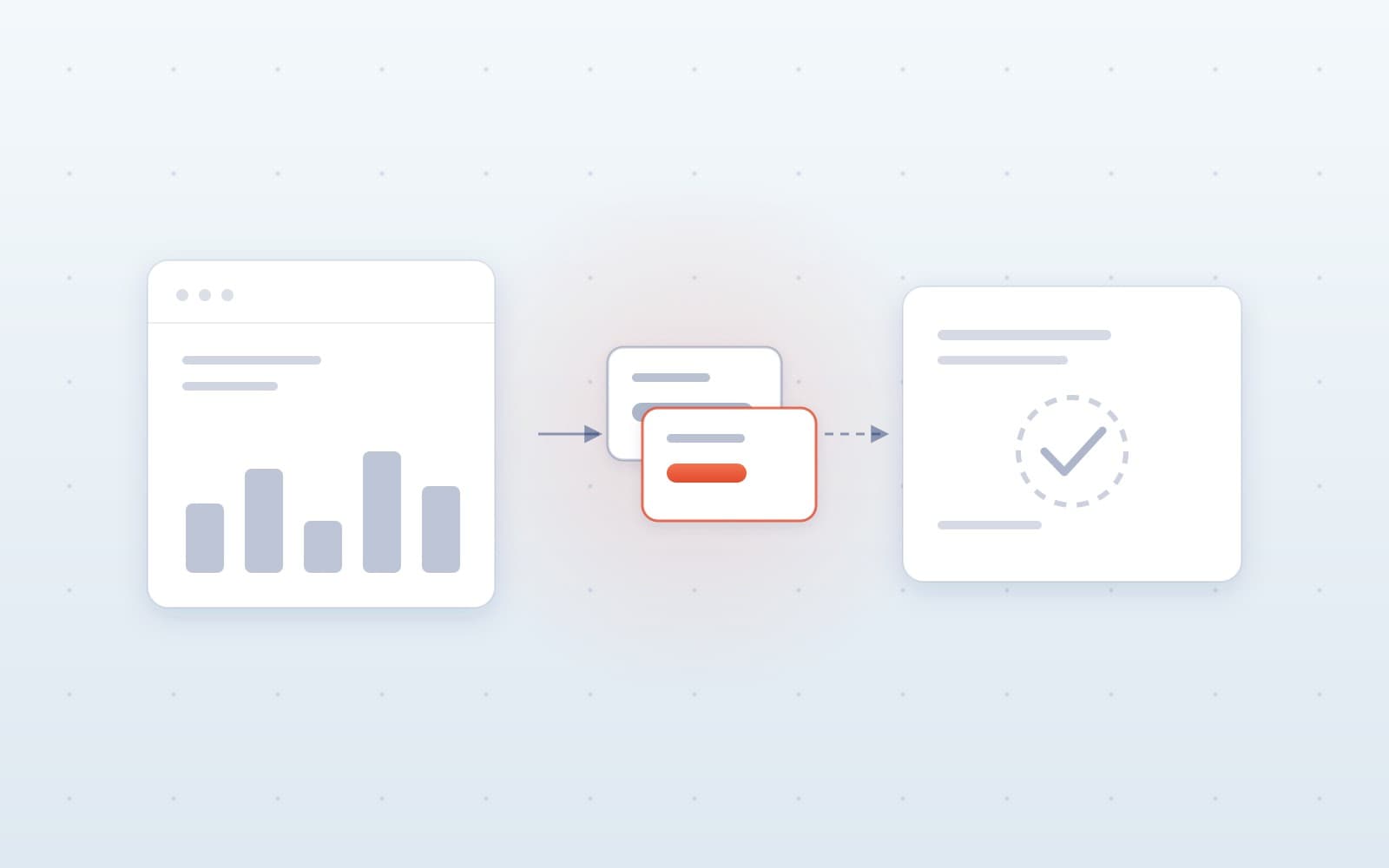
Access, preparation, shared meaning, use. Four places where data stops helping a decision, and a small experiment that checks whether a change actually works.
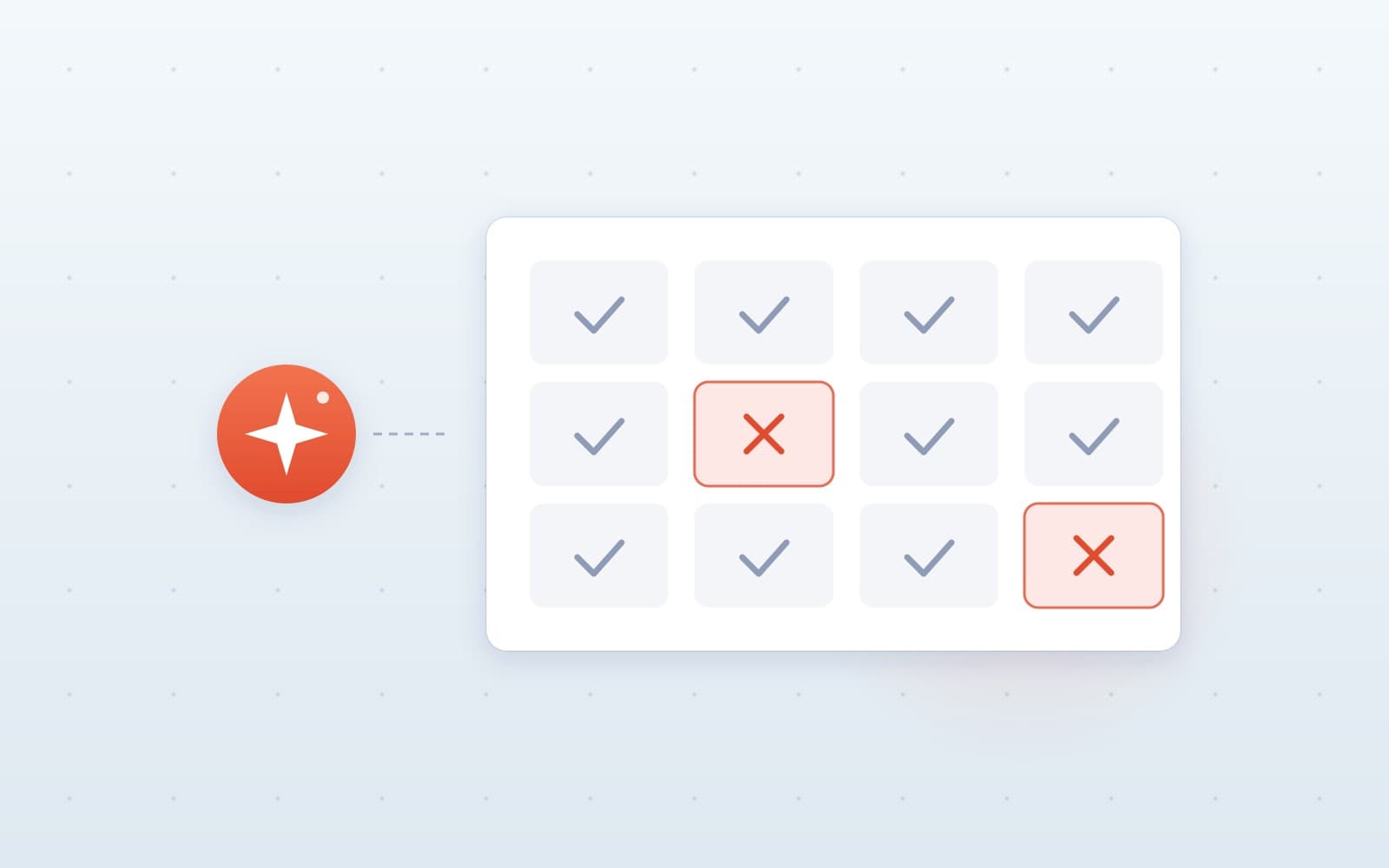
The AI System "Works". But How Often Is It Right?
Ten correct answers are the result of ten attempts, not a guarantee. How to define a correct result, what 95% accuracy can hide, and what to ask before accepting an LLM-based system.

99% AI Accuracy Can Be Too Little. Or Too Much.
The team wants budget to push AI accuracy from 95% to 99%. Before you pay for extra percentage points, find out what the number measures, which mistakes will remain and what they cost.
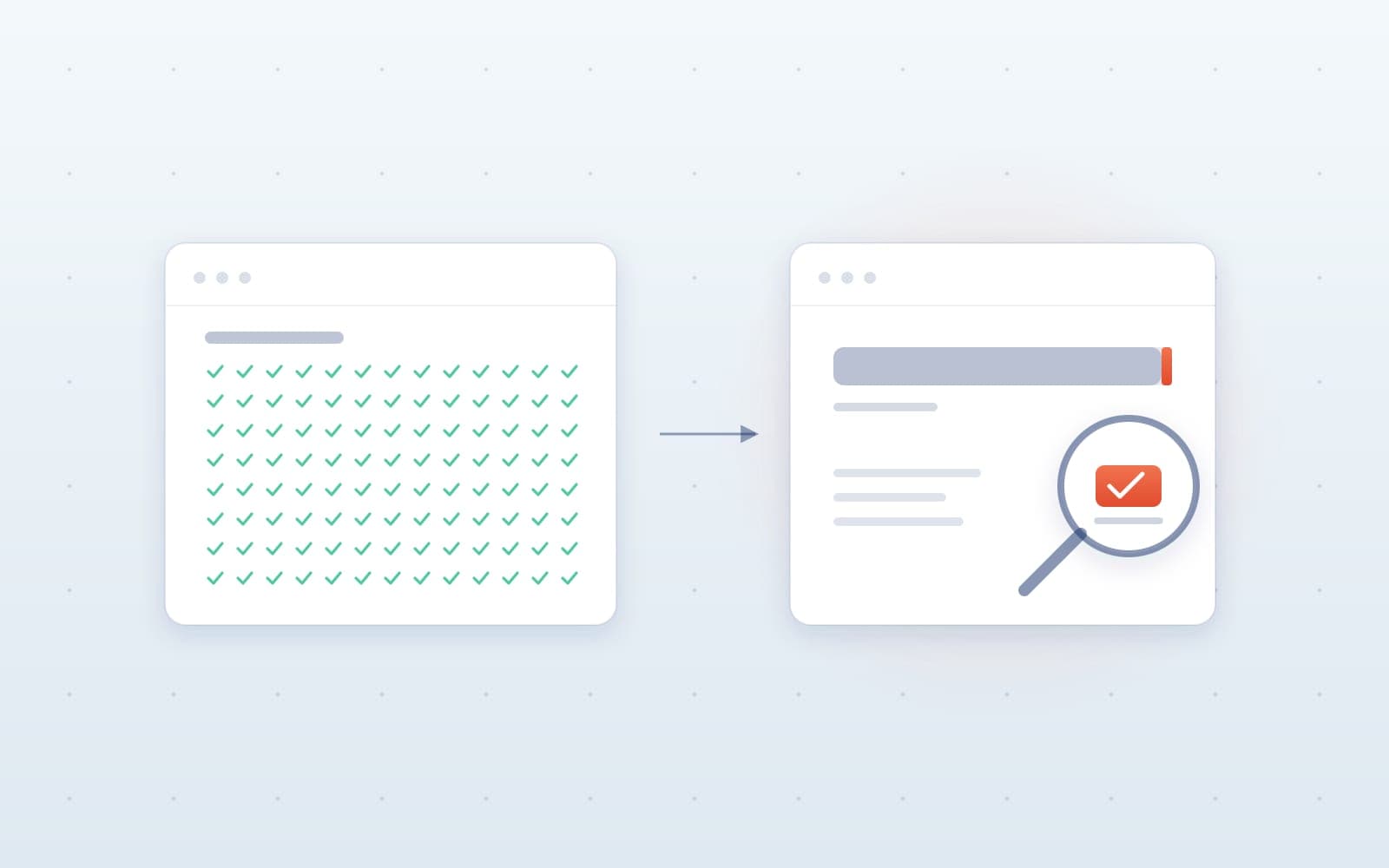
The AI Passed 1,000 Tests. Is It Ready to Go Live?
The report shows 1,000 runs and zero errors. Before you approve the launch, find out where the cases came from, who decided what counts as correct and how many tests covered what matters most.

Prompt Caching: How to Cut LLM Costs by up to 90%
Prompt caching can cut LLM input costs by 90% and time to first token by up to 80%. How prefix caching and semantic caching work, and when they pay off.

An ERP Is Not the Same as Process Automation
An ERP can work perfectly well while people still move data by hand between email, PDFs, Excel and other systems. How to find the places where a process still runs on people.
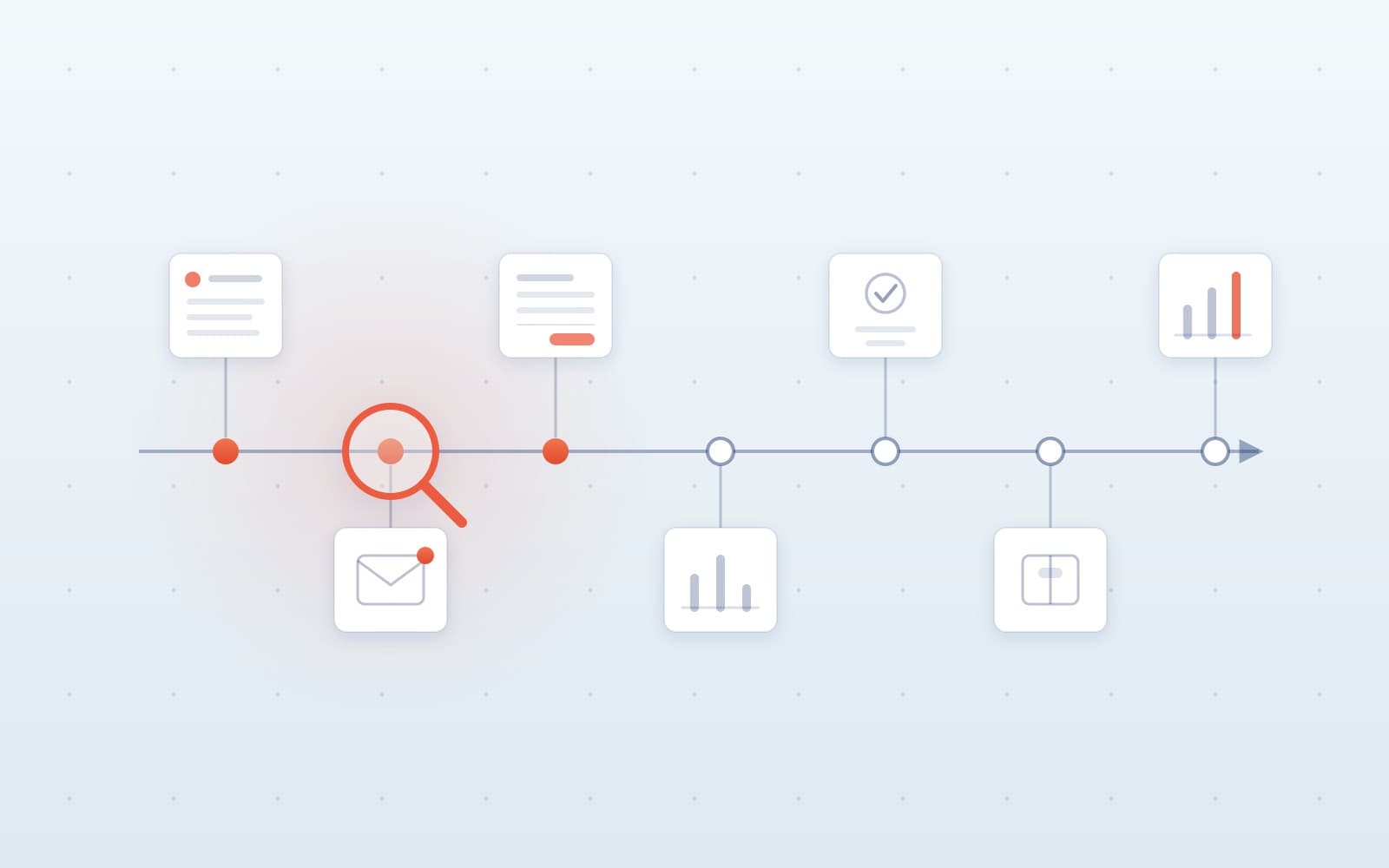
7 Manual Processes in Manufacturing Worth Checking for Automation
Customer orders, supplier confirmations, invoices, production reporting, quality documentation, shipping and reporting. Seven places in a manufacturing company where repetitive work worth automating tends to hide.